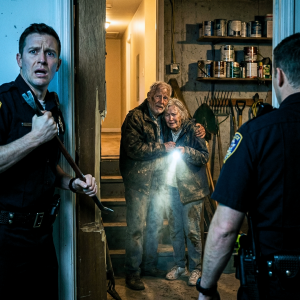
After a traumatic childhood event, Taylor grew to distrust doctors so deeply that he once refused to move his car for an ambulance in a traffic jam. His stubbornness nearly cost him everything.
After dinner, as the kids returned to their rooms, Polly told Taylor she wanted to hire a nanny because managing the house and their three children had become overwhelming.
“A nanny? They’re so expensive, and it’s unnecessary,” Taylor dismissed.
“Please, Taylor. I can’t manage everything alone anymore, and we can afford it,” Polly pleaded.
“Just because we have money doesn’t mean we should waste it on things we don’t need,” Taylor retorted. “My mother raised me alone after my father left, and look at me now—a millionaire. They don’t need a nanny. Just make them behave after school.”
Taylor didn’t believe Polly’s struggles were genuine. He thought her job, writing from home, was not as demanding as his corporate responsibilities. He was certain his refusal was justified.

Days later, Polly fainted in the living room. Their eldest son, Mark, called Taylor at work.
“Should I call 911?” Mark asked.
“No! Absolutely not,” Taylor ordered. “Call Mara, the neighbor. Her number is by the phone. I’ll be there soon.”
Mara, a kind nurse working night shifts, was barely trusted by Taylor, but he saw her as a better option than any doctor. When Taylor arrived home, Polly was awake, and Mara was checking her while the kids stood by worriedly.
“So, how is she?” Taylor asked Mara.
“Polly should see a doctor. Fainting isn’t normal,” Mara advised.
“We’re not young. She’s 35, and I’m 38,” Taylor shrugged.
“That’s still young. She needs blood work and a check-up,” Mara insisted.
“No doctors,” Taylor refused. “My mother died because a doctor didn’t diagnose her cancer in time. I had to live with my abusive father. We even had home births because of that. Our kids are fine.”