Our lives are significantly impacted by our attire. It shields us from the weather in addition to assisting in the development of our individual identities and styles. But the very clothes that are supposed to protect our bodies can actually be hurting us.
Microplastics in Our Body
Tiny plastic particles that are less than 5 mm in size are known as microplastics, and they are becoming a bigger environmental problem. Oceans, soil, air, and even our own bodies contain these particles, which are frequently invisible to the nak3d eye.
Understanding the Impacts of Microplastics on Human Health

Because microplastics are present in many ecosystems and pose a risk to human health, there is growing concern about them.
- Tissue and Cellular Penetration: Microplastics can readily enter human tissues and cells because of their extremely small size, which can result in a number of health concerns.
- Chronic Inflammation: Research shows that exposure to microplastics can lead to chronic inflammation, which is linked to a number of health problems, such as heart disease, cancer, and respiratory disorders.
- Oxidative Stress: Oxidative stress brought on by microplastics might result in an imbalance between the body’s antioxidants and reactive oxygen species.
- Food Chain Contamination: The food chain is impacted by the widespread presence of microplastics in our environment, which poses possible health hazards to people. From apex consumers to primary producers like plants and algae, microplastics can infiltrate the food chain at several stages.
Reducing Exposure and Protecting Human Health
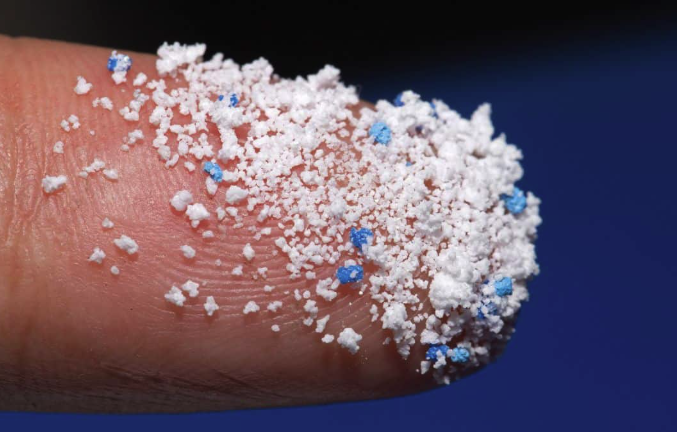
Proactive measures to limit exposure and lessen the possible dangers are essential given the worries about microplastics and human health. Here are some practical suggestions:
- To reduce the amount of microplastics that are shed from synthetic fibers, use bedding and clothes made of natural fibers.
- Choose reusable alternatives to single-use plastics whenever possible.
- Reduce the amount of microplastics that are consumed through drinking water by using water filters that are certified to remove them.
- Choose seafood that has been procured sustainably and take the possibility of microplastic contamination into account.