She was terrified to be alone. She’d wake up at night screaming, sure she was back in that cage. I let her sleep beside me, sang the same lullabies I used to before I left. Slowly, she began to trust again—but the fear never really left her eyes.
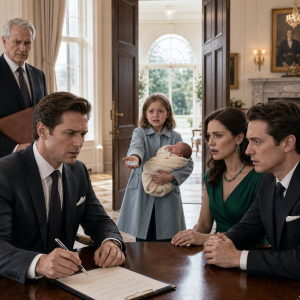
Court was brutal. Jenna’s lawyer painted me as a damaged soldier—unstable, violent. My years of service were twisted into proof that I wasn’t fit to be a father.
But when Lily took the stand, her soft voice shattered their lies. She told them about the coop, the hunger, the cruel words. The courtroom fell silent when she finished.
Still, it took months. The system moved slowly. Lily stayed with me under temporary custody as we waited. I tried to give her pieces of normal life—pancake breakfasts, walks in the park, bedtime stories.
But war had followed us home. Every loud sound made her flinch. Every stranger’s voice made her cling to my leg.
Nine months later, the final hearing came. Lily had gained weight, her laughter returning in shy bursts. Jenna had fallen apart—her boyfriend in prison, her job gone. The judge reviewed the evidence: the medical reports, the photos, the neighbors’ testimonies.
When the gavel fell, granting me full custody, I couldn’t breathe for a moment. Lily squeezed my hand, eyes wide. When I nodded, tears streamed down her face—tears of relief, not fear.
Life wasn’t perfect afterward. Healing took time. But we began again—morning cartoons, homework at the kitchen table, weekends fishing by the river.
One evening, as we watched the sunset, Lily climbed into my lap.
“Daddy,” she asked softly, “are you going away again?”
I held her close. “Not anymore, sweetheart. This is where I belong.”
And for the first time since returning home, I truly believed it. The war was over—not the one overseas, but the one that taught me what it really meant to fight for love, for family, for peace.