The Spiritual Dimension
Across cultures, these dreams carry a very different weight. Rather than being dismissed as mere brain activity, they are seen as messages from another realm. Some interpret the presence of a deceased loved one as a sign of protection, a reminder that the person continues to watch over the living. Others believe it is a call to make peace, resolve old conflicts, or embrace change.
In certain traditions, the dream is even welcomed as a positive omen, suggesting good fortune or renewal on the horizon. Whatever the interpretation, such visions are often viewed as a symbolic bridge between two worlds, proof that the bond between living and dead is never entirely broken.
Between Science and Belief

Ultimately, two perspectives coexist. The rational view insists that the brain is simply replaying memories and emotions, offering no mystery beyond the workings of the mind. The spiritual view, in contrast, holds that the dead appear with intention, bringing comfort, guidance, or warning.
Neither interpretation can be fully proven or dismissed. What matters is the meaning the dream carries for the individual who experiences it. Does it leave you with peace, sadness, reassurance, or the sense that something unresolved remains? Each dream is as personal as the bond it recalls.
A Message or a Mirror?
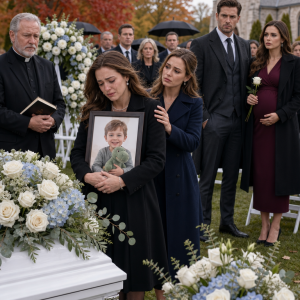
Dreaming of the dead is never a trivial experience. It may be a mirror of grief and longing, or it may feel like a message from beyond. In truth, it can be both at once — memory and mystery interwoven.
Every encounter is unique. And in the quiet space between waking and sleeping, it is often less important to decide whether such a dream is “real” than to recognize what it awakens in you.