“Don’t make me regret letting you stay here.”
“Stop acting like your mother matters.”
“That’s out of context,” he whispered.
“There are hours of audio,” she replied. “And bank records showing you drained nearly thirty thousand dollars from his college fund to cover your personal debt.”
Karen’s head snapped toward him. “Debt? You said we were fine!”
“This isn’t the time,” he snapped.
“Oh, now it’s not the time?” she fired back.
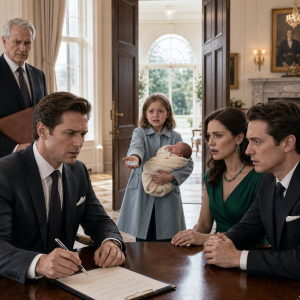
Rebecca cut in. “The priority is locating Lucas. He emailed me because he didn’t trust you.”
Dad swallowed. “Do you know where he is?”
“No. And he asked that his location stay confidential until he’s legally protected.”
Dad ran a hand over his face. “He ran away over being grounded?”
Rebecca’s tone sharpened. “He left because you humiliated him, dismissed him, and ignored repeated concerns from his school counselor—concerns you never acknowledged.”
She placed more documents on the table: counseling reports, behavioral notes, recommendations for therapy—all ignored.
Later that week, investigators from Child Protective Services arrived. They photographed my room, spoke to Dad—who kept contradicting himself—and to Karen, who broke down halfway through, insisting she “didn’t realize” how bad things were.
But the digital evidence didn’t lie.
Meanwhile, I followed the plan I’d made over months. I took a bus out of town to a youth transitional living center in Ridgepoint. A social worker named Jordan Lee met me at the intake desk.
“Lucas Bennett?” he asked gently. “Your counselor emailed ahead. Come inside.”
Someone expecting me—that alone nearly made me cry.
Jordan walked me through paperwork, offered breakfast, and showed me a room. Later, a case manager reviewed my recordings and flagged everything for emergency protective action.
For the first time, adults were listening—to me.
Back home, Dad was served with custody suspension notices and a financial audit. Karen packed a suitcase and left for her sister’s house.
I started settling into a routine—group sessions, therapy, school through the program. I wasn’t free of fear, but the constant tension was gone.
Two weeks later, I got a letter: my trust account would be restored, pending legal action.
Three weeks in, I emailed Rebecca, allowing her to update only one family member—my aunt Sarah, the only one who ever saw through Dad’s façade. She asked for kinship placement immediately.
After checks and interviews, CPS approved her.
The day Jordan drove me to her house, my hands shook. But when Sarah stepped onto the porch, arms open, whispering, “You’re safe now,” something inside me finally loosened.
Healing wasn’t fast or pretty. But it was real.
I wasn’t living under someone else’s temper anymore.
For the first time, I was building a life on my own terms.